

As the global population continues to grow, cities are expanding at an unprecedented rate. Urban areas face increasing pressure to manage traffic congestion, pollution, energy consumption, waste management, and public safety. In response to these challenges, governments and technology companies are developing smart cities powered by advanced digital infrastructure. A smart city uses data, connectivity, and intelligent systems to improve the quality of life for residents while promoting sustainability and economic growth. This transformation marks a major shift in how urban environments are designed and managed.
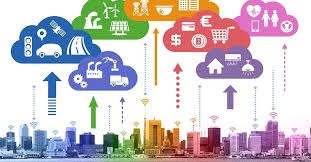
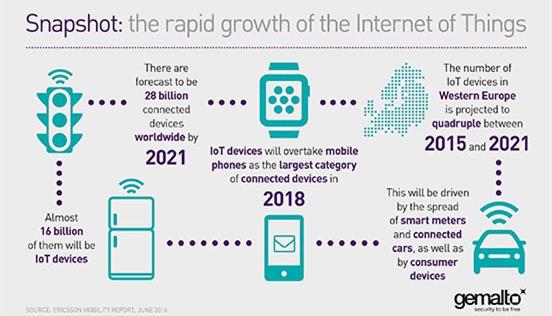
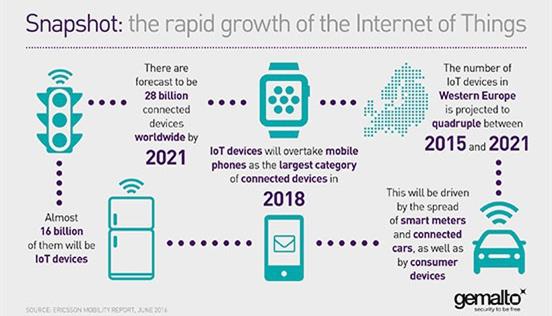
At the heart of every smart city is digital infrastructure. This includes high-speed internet, cloud computing systems, data centers, and interconnected sensors known as the Internet of Things. These technologies collect and analyze data in real time, allowing city officials to make informed decisions quickly. For example, smart traffic management systems use sensors and cameras to monitor road conditions and adjust traffic signals automatically. This reduces congestion, shortens travel times, and lowers fuel consumption. Cities such as Singapore have already implemented advanced traffic monitoring systems to improve urban mobility and reduce environmental impact.
Energy management is another critical area where smart infrastructure is making a difference. Traditional power grids are being replaced by smart grids that use digital communication technology to detect changes in electricity demand and supply. These systems can automatically adjust energy distribution to prevent outages and reduce waste. Smart meters installed in homes allow residents to monitor their energy usage and adopt more efficient habits. In cities like Barcelona, smart lighting systems automatically adjust brightness based on movement, helping conserve electricity and reduce costs.
Public safety is also enhanced through digital innovation. Surveillance cameras equipped with artificial intelligence can detect unusual activities and alert authorities in real time. Emergency response systems can use data analytics to identify high-risk areas and deploy resources more effectively. For example, predictive analytics can help police departments allocate patrols based on crime patterns. While these technologies improve safety, they also raise concerns about privacy and data protection, making it essential for governments to establish transparent policies and regulations.
Waste management and environmental monitoring have greatly improved through smart solutions. Sensors placed in waste bins can notify sanitation services when they are full, optimizing collection routes and reducing unnecessary trips. Air quality sensors can measure pollution levels and provide real-time updates to residents. This data helps policymakers design strategies to reduce emissions and improve public health. In innovative urban projects like Dubai, authorities are investing heavily in digital platforms that integrate transportation, utilities, and public services into one connected ecosystem.
Transportation systems are undergoing major transformation within smart cities. Electric vehicle charging stations, bike-sharing programs, and integrated public transport apps allow residents to choose sustainable travel options easily. Digital payment systems enable seamless access to buses, trains, and taxis through a single platform. Some cities are experimenting with autonomous vehicles to reduce traffic accidents and improve efficiency. These innovations not only enhance convenience but also support environmental sustainability by lowering carbon emissions.
Healthcare services are also benefiting from digital infrastructure. Smart cities can connect hospitals, clinics, and emergency services through centralized data systems. This integration enables faster response times and better patient care. Telemedicine platforms allow residents to consult doctors remotely, reducing the need for travel and long waiting times. Health monitoring systems can track disease outbreaks and provide early warnings to prevent large-scale health crises.
Economic growth is another important advantage of smart cities. Digital infrastructure attracts technology companies, startups, and investors who seek innovative environments. High-speed connectivity and advanced data systems support new business models and job creation. Entrepreneurs can develop applications and services that use city data to solve local problems. This ecosystem encourages collaboration between the public and private sectors, driving continuous innovation.
However, the rise of smart cities also presents challenges. Implementing advanced digital infrastructure requires significant investment and careful planning. Smaller or developing cities may struggle with funding and technical expertise. Cybersecurity is a major concern, as interconnected systems can become targets for cyberattacks. Protecting sensitive data and maintaining secure networks are critical to ensuring public trust. Additionally, policymakers must address digital inequality to ensure that all residents benefit from smart city initiatives, not just those with access to advanced technology.
Looking ahead, the future of smart cities will likely include even greater integration of artificial intelligence, renewable energy, and sustainable design. Urban planners may use predictive analytics to anticipate population growth and infrastructure needs. Buildings could become fully energy-efficient, generating their own power through solar panels and smart energy systems. Citizens may interact with city services through mobile applications that provide real-time updates and personalized recommendations.
In conclusion, the rise of smart cities and digital infrastructure represents a significant step toward creating more efficient, sustainable, and livable urban environments. By leveraging data, connectivity, and intelligent systems, cities can address complex challenges and improve the daily lives of their residents. While obstacles such as cost, cybersecurity, and privacy must be managed carefully, the potential benefits of smart urban development are immense. As technology continues to evolve, smart cities will play a central role in shaping the future of global urban living.






Leave a Reply