
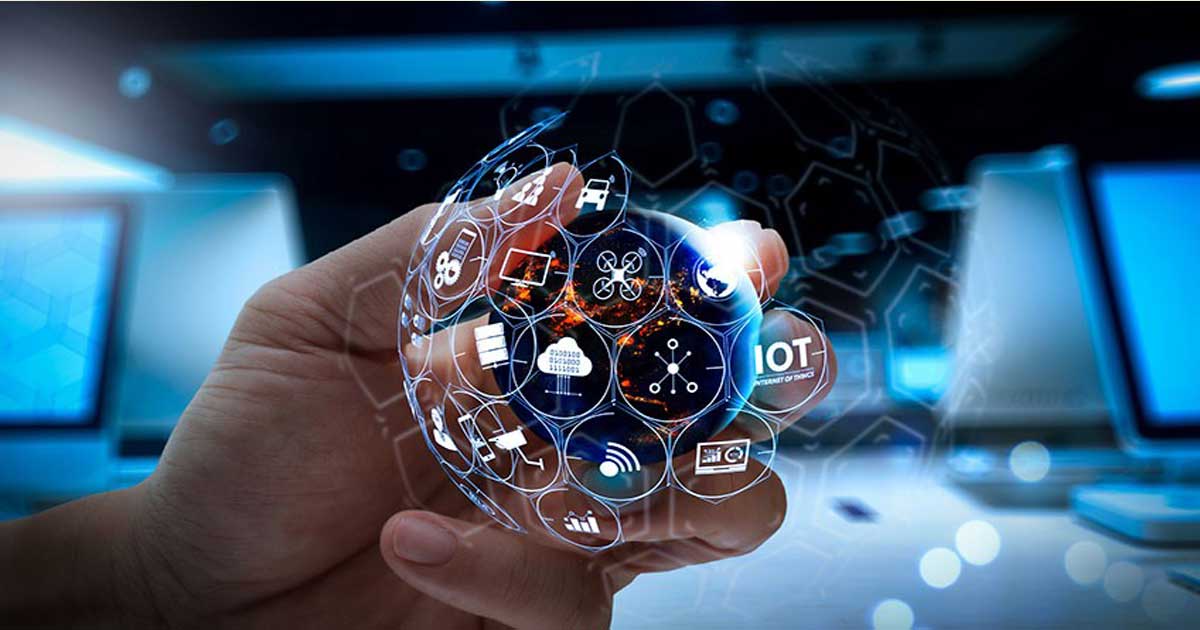
The Internet of Things (IoT) is transforming the way people interact with technology and the physical world. IoT refers to the network of interconnected devices, sensors, and systems that collect, exchange, and analyze data over the internet. From smart homes and wearable devices to industrial machinery and urban infrastructure, IoT enables seamless communication between objects, improving efficiency, convenience, and decision-making. As IoT technology continues to evolve, it is redefining daily life, business operations, and societal infrastructure in profound ways.
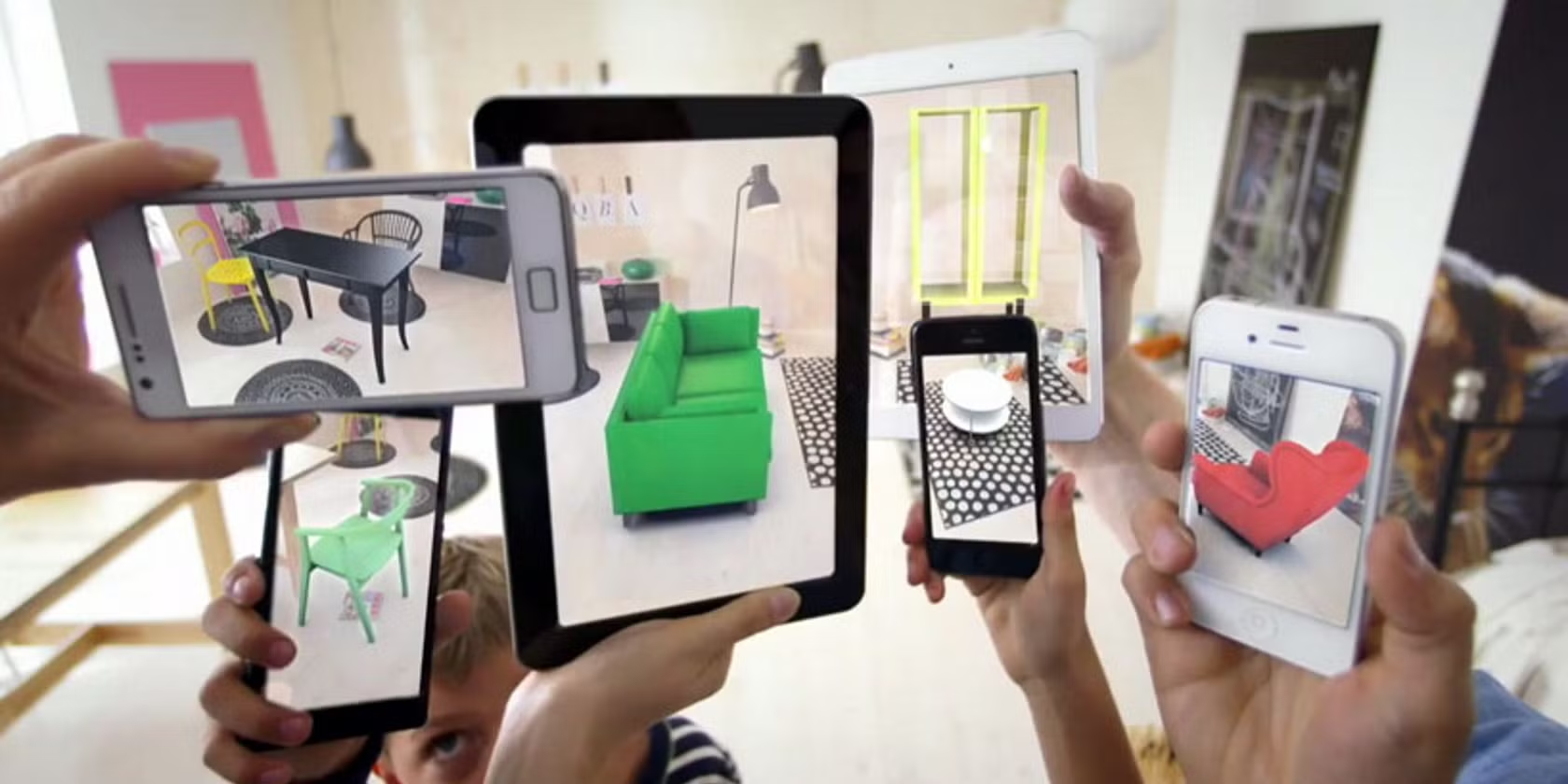
Smart homes are one of the most visible applications of IoT technology. Devices such as thermostats, lighting systems, security cameras, and appliances can be connected to a central hub or smartphone app, allowing users to monitor and control their environment remotely. For example, smart thermostats can learn user habits and adjust temperature settings automatically to optimize comfort and energy efficiency. Security systems can alert homeowners in real-time about unusual activity, providing peace of mind. Companies such as Philips and Nest have been instrumental in popularizing IoT-enabled home devices, making daily life more convenient and connected.
In healthcare, IoT devices are revolutionizing patient monitoring and medical services. Wearable devices can track vital signs, sleep patterns, and physical activity, providing valuable data to healthcare providers. Hospitals are increasingly adopting IoT systems to monitor equipment, manage inventory, and streamline patient care. Remote monitoring allows doctors to detect early signs of illness, adjust treatment plans, and reduce hospital visits. This technology is especially beneficial for elderly or chronically ill patients, enabling continuous care and faster response to emergencies.
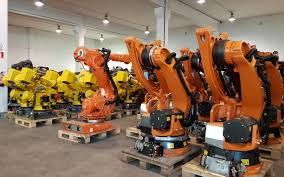
Industrial IoT, or IIoT, is transforming manufacturing, logistics, and supply chain management. Sensors embedded in machinery can detect malfunctions, predict maintenance needs, and optimize production schedules. Connected supply chains allow companies to track goods in real-time, ensuring timely deliveries and reducing waste. Businesses such as Siemens and General Electric are integrating IIoT systems to improve efficiency, reduce costs, and maintain high-quality standards. This digital transformation enhances productivity and competitiveness across industries.
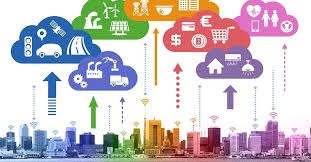
Urban infrastructure and smart cities also benefit from IoT applications. Traffic sensors, connected streetlights, and environmental monitors help manage resources efficiently and improve public services. Real-time traffic data can optimize signal timings, reducing congestion and pollution. Waste management systems can monitor bin levels and optimize collection routes. Air quality sensors provide data that informs policies for healthier living environments. Cities such as Barcelona and Singapore have implemented IoT solutions to improve urban living and sustainability.
Agriculture is another sector experiencing a digital revolution thanks to IoT. Smart sensors can monitor soil moisture, temperature, and nutrient levels, allowing farmers to optimize irrigation and fertilization. Connected drones can survey fields, detect crop diseases, and guide precision farming practices. These innovations improve yields, reduce resource consumption, and support sustainable agricultural practices. Companies like John Deere are leading the integration of IoT in modern farming.
Despite its many advantages, IoT presents several challenges. Security and privacy are major concerns, as interconnected devices can be vulnerable to cyberattacks. A breach in one device may compromise an entire network, highlighting the importance of robust encryption and security protocols. Data management is another challenge, as IoT generates massive volumes of data that must be stored, processed, and analyzed effectively. Ensuring interoperability between devices from different manufacturers also requires standardization and careful design.
Energy consumption and sustainability are additional considerations. While IoT devices can improve efficiency, their widespread adoption increases overall electricity usage and electronic waste. Developing energy-efficient devices and implementing proper recycling programs are critical to minimizing environmental impact.
Looking ahead, IoT technology is expected to become even more pervasive. Integration with artificial intelligence and edge computing will enable smarter devices capable of real-time decision-making. Personalized experiences in homes, healthcare, and entertainment will continue to expand. Industries will increasingly rely on predictive analytics and automation powered by connected devices, driving innovation and efficiency across the economy.
In conclusion, the Internet of Things is connecting the world in unprecedented ways, transforming homes, healthcare, industry, agriculture, and urban living. By enabling seamless communication between devices and systems, IoT improves efficiency, safety, and convenience. While challenges such as security, data management, and sustainability remain, the potential benefits are immense. As technology continues to advance, IoT will play a central role in creating a more connected, intelligent, and responsive world.



Leave a Reply