

Technology is evolving at an unprecedented pace, shaping how people live, work, and interact with the world. The next decade promises even more transformative innovations that will redefine industries, economies, and societies. From artificial intelligence and quantum computing to biotechnology and sustainable energy solutions, these technological trends are set to impact daily life and global development in profound ways. Understanding and adapting to these changes will be crucial for individuals, businesses, and governments to thrive in the coming years.
Artificial intelligence (AI) continues to be one of the most influential technological trends. Machine learning, natural language processing, and computer vision are becoming integral in areas ranging from healthcare and finance to education and entertainment. AI systems can automate repetitive tasks, provide predictive insights, and personalize experiences. Businesses are increasingly relying on AI-driven analytics to make informed decisions, enhance customer engagement, and optimize operations. As AI evolves, ethical considerations, transparency, and responsible use will remain critical to ensuring its positive impact.
Quantum computing is another emerging trend with the potential to revolutionize industries. Unlike classical computers, quantum computers leverage principles of quantum mechanics to process complex calculations at unprecedented speeds. This technology could transform fields such as cryptography, drug discovery, climate modeling, and materials science. Companies such as IBM and Google are at the forefront of quantum research, exploring applications that could solve problems beyond the reach of traditional computing.
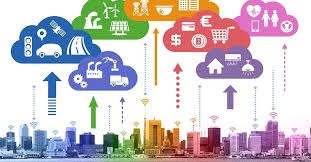
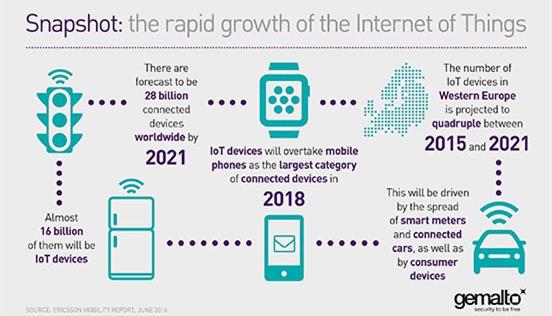
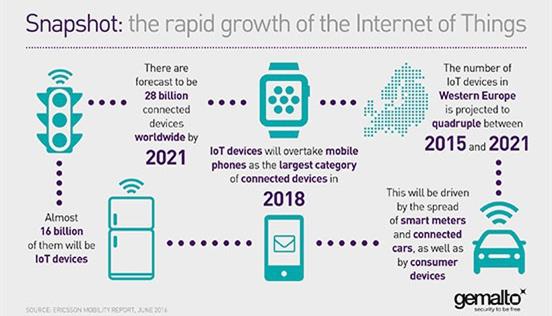
The Internet of Things (IoT) will continue to expand, connecting devices, systems, and environments in ways that create smarter homes, workplaces, and cities. IoT technology enables real-time data collection, automation, and predictive analytics. Smart infrastructure, wearable devices, and connected vehicles are enhancing efficiency, safety, and convenience. Industries such as agriculture, healthcare, and manufacturing benefit from IoT by improving productivity, resource management, and decision-making. The integration of IoT with AI and 5G networks will further amplify its potential.
Sustainable and clean technologies will play a crucial role in addressing global challenges such as climate change and energy scarcity. Advances in renewable energy, energy storage, and smart grids are enabling more efficient and environmentally friendly solutions. Electric vehicles, solar panels, and wind energy systems are becoming more accessible, while innovations in battery technology support energy independence and sustainability. Companies like Tesla and Siemens are driving progress in sustainable technologies, demonstrating their potential to reshape energy consumption and environmental stewardship.
Biotechnology and genetic engineering are also expected to advance significantly in the coming decade. Gene editing tools, such as CRISPR, are revolutionizing medicine, agriculture, and environmental management. These technologies allow for precise modifications to genetic material, opening possibilities for treating diseases, improving crop resilience, and addressing ecological challenges. Ethical considerations, regulation, and public engagement will be essential in guiding the responsible development of biotechnology.
Cybersecurity will remain a critical focus as digital transformation accelerates. With increasing reliance on connected systems, cloud computing, and digital services, protecting sensitive data and ensuring system integrity is paramount. Organizations must invest in advanced security measures, AI-driven threat detection, and continuous monitoring to defend against evolving cyber threats. Balancing innovation with security will be a key challenge in the decade ahead.
The rise of immersive technologies, including augmented reality (AR) and virtual reality (VR), will transform entertainment, education, training, and social interaction. These technologies create interactive and engaging experiences that blend the digital and physical worlds. VR can simulate environments for professional training or entertainment, while AR overlays digital information onto real-world contexts. The continued development of wearable devices and high-speed connectivity will enhance the accessibility and impact of immersive technologies.
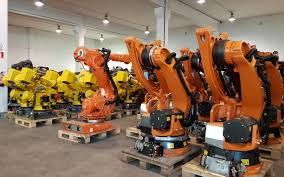
As technology advances, collaboration between humans and machines will become increasingly important. Automation and AI will augment human capabilities rather than simply replace them, enabling new forms of creativity, problem-solving, and productivity. Workforce reskilling and education will be critical to ensure that individuals are prepared to leverage emerging technologies effectively. Governments and businesses must focus on creating policies and programs that foster innovation while addressing social and economic challenges.
In conclusion, the next decade will be defined by technological innovations that transform every aspect of life. From AI, quantum computing, and IoT to sustainable energy, biotechnology, and immersive experiences, these trends will redefine how people interact, work, and live. While challenges such as cybersecurity, ethics, and workforce adaptation remain, the potential benefits are immense. By embracing emerging technologies responsibly, society can unlock unprecedented opportunities for growth, innovation, and a more connected and sustainable future.





Leave a Reply