
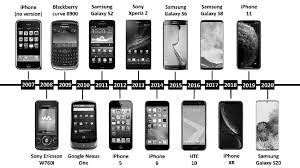
Smartphones have become an essential part of modern life, transforming how people communicate, work, learn, and entertain themselves. Over the past two decades, these devices have evolved from simple communication tools into powerful handheld computers. The journey of smartphones reflects rapid technological progress, innovation, and changing consumer needs. From bulky early models with limited features to today’s sleek, high-performance devices, the evolution of smartphones has reshaped society in remarkable ways.
The early foundations of smartphones were laid in the late 1990s and early 2000s. Devices such as those produced by Nokia and BlackBerry combined mobile phone capabilities with basic computing functions like email and calendars. BlackBerry devices, in particular, became popular among business professionals due to their secure email services and physical keyboards. However, these early smartphones had small screens, limited internet access, and minimal multimedia features compared to modern standards.
A major turning point came in 2007 when Apple introduced the iPhone. This device revolutionized the industry with its large touchscreen, intuitive interface, and app-based ecosystem. The elimination of the physical keyboard in favor of a full touchscreen design changed how users interacted with their phones. The launch of the App Store allowed developers to create applications for various purposes, from games and social media to productivity and navigation. This innovation transformed smartphones into versatile tools capable of handling countless tasks.
Soon after, Google introduced the Android operating system, creating a competitive and diverse smartphone market. Android allowed multiple manufacturers to develop devices with different designs, features, and price points. Companies such as Samsung and Huawei quickly became major players, offering high-quality smartphones with advanced features. This competition accelerated innovation, leading to rapid improvements in camera quality, processing power, battery life, and display technology.
Over the years, smartphone cameras have evolved dramatically. Early models offered basic photo capabilities, but modern smartphones feature multiple lenses, high-resolution sensors, and advanced image processing powered by artificial intelligence. Many people now rely on their smartphones as their primary camera, reducing the need for separate digital cameras. Features such as portrait mode, night photography, and 4K video recording have made professional-quality content creation accessible to everyday users. Social media platforms have further fueled this trend, encouraging users to capture and share moments instantly.
Connectivity has also improved significantly. The transition from 3G to 4G networks enabled faster internet browsing and smoother video streaming. More recently, the introduction of 5G technology has provided even higher speeds and lower latency, supporting advanced applications such as cloud gaming and augmented reality. As connectivity continues to improve, smartphones are becoming central hubs for digital communication, enabling instant messaging, video calls, and real-time collaboration across the globe.
Smartphones have also integrated biometric security features such as fingerprint scanners and facial recognition. These technologies enhance user privacy and simplify authentication processes. In addition, mobile payment systems have turned smartphones into digital wallets, allowing users to make secure transactions without carrying physical cash or cards. This shift toward contactless payments has become increasingly common in retail and online shopping environments.
The design of smartphones has evolved alongside their functionality. Early devices were often bulky and limited in style, but modern smartphones feature slim profiles, edge-to-edge displays, and durable materials. Foldable smartphones have recently entered the market, offering innovative designs that combine portability with larger screen experiences. These advancements reflect the ongoing effort to balance aesthetics, comfort, and performance.
Despite these remarkable developments, the evolution of smartphones also presents challenges. Frequent upgrades and new model releases contribute to electronic waste and environmental concerns. Manufacturers are now exploring sustainable materials and recycling programs to reduce environmental impact. Additionally, excessive smartphone usage has raised concerns about screen addiction and its effects on mental health, particularly among younger users.
Looking ahead, the future of smartphones may include deeper integration with artificial intelligence, augmented reality, and wearable devices. Smartphones could become even more personalized, anticipating user needs and automating daily tasks. Improvements in battery technology and wireless charging may further enhance convenience. As innovation continues, smartphones will likely remain central to digital life, connecting individuals to information, services, and each other.
In conclusion, the evolution of smartphones over the years reflects extraordinary technological progress. From basic communication devices to advanced multifunctional tools, smartphones have transformed nearly every aspect of modern living. Driven by competition, innovation, and consumer demand, the industry continues to push boundaries. As technology advances, smartphones will undoubtedly evolve further, shaping the future of communication and digital interaction.







Leave a Reply