
Technology has profoundly reshaped education and learning, creating new opportunities for students, teachers, and institutions around the world. From digital classrooms to interactive learning platforms, technological advancements have expanded access to knowledge, personalized learning experiences, and enhanced educational outcomes. The integration of technology in education is no longer optional; it has become a critical component of modern pedagogy, preparing learners for a rapidly changing digital world.
One of the most significant transformations is the rise of online learning platforms. Virtual classrooms allow students to access lessons, assignments, and resources from anywhere, breaking down geographical barriers. Platforms like Coursera, Khan Academy, and Udemy provide courses across diverse subjects, from computer science and mathematics to arts and humanities. Students can learn at their own pace, revisiting difficult concepts and advancing when ready, creating a personalized educational experience.
Interactive tools and multimedia content have also revolutionized learning. Videos, simulations, gamified exercises, and virtual laboratories make lessons more engaging and accessible. Science experiments, historical explorations, and mathematical concepts can be visualized in ways that traditional textbooks cannot convey. This hands-on approach enhances comprehension and retention, helping students grasp complex topics more effectively. AR and VR technologies further immerse learners in interactive environments, allowing them to experience historical events, scientific processes, or global ecosystems firsthand.
Artificial intelligence is playing an increasingly important role in education. AI-driven platforms can assess student performance, identify strengths and weaknesses, and provide tailored recommendations. Intelligent tutoring systems adapt lessons to individual needs, ensuring that students receive appropriate support. AI also automates administrative tasks such as grading, attendance tracking, and scheduling, freeing educators to focus on teaching and mentoring. By analyzing large datasets, AI can help institutions improve curriculum design, identify trends, and optimize learning outcomes.
Collaboration and communication have been enhanced through technology. Tools such as video conferencing, collaborative documents, and discussion forums enable students and teachers to interact in real-time, regardless of location. Group projects, peer reviews, and teacher feedback are facilitated through digital platforms, encouraging active participation and teamwork. Learning communities are no longer limited to physical classrooms; students can connect globally, exchanging ideas, perspectives, and knowledge across cultures.
Technology also supports accessibility and inclusivity in education. Assistive tools, such as screen readers, speech-to-text software, and adaptive learning systems, ensure that students with disabilities can participate fully in learning activities. Language translation applications help learners access content in different languages, fostering global collaboration and reducing educational disparities. These tools create an equitable environment where all students have the opportunity to succeed.
Despite its advantages, technology in education presents challenges. Digital divides remain a concern, as access to devices, high-speed internet, and technical support is not universal. Educators must receive proper training to integrate technology effectively into their teaching methods. Additionally, the overreliance on digital tools may impact critical thinking, interpersonal skills, and social interaction if not balanced with traditional learning approaches.
Cybersecurity and data privacy are also critical considerations. Educational institutions collect large amounts of personal data, from student records to learning analytics. Ensuring that this information is securely stored, transmitted, and used ethically is essential to protect students and maintain trust. Regulations and best practices must be followed to prevent unauthorized access and misuse of sensitive data.
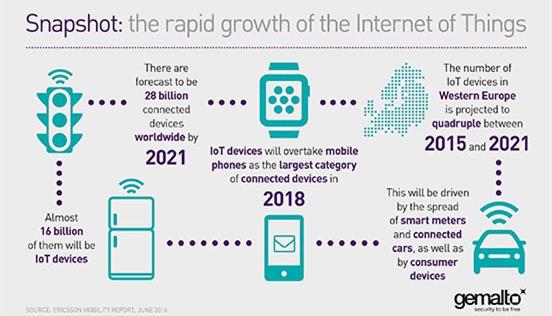
Looking ahead, emerging technologies such as AR, VR, AI, and IoT will continue to enhance education. Adaptive learning platforms will become more sophisticated, providing real-time feedback and personalized guidance. Virtual and augmented reality will offer immersive experiences that bring abstract concepts to life. AI will support lifelong learning, helping individuals update their skills in a rapidly changing job market. Technology will continue to democratize access to education, making learning more flexible, engaging, and effective.
In conclusion, technology is transforming education and learning by expanding access, personalizing experiences, and improving outcomes. From online platforms and interactive content to AI-driven tools and immersive simulations, digital innovations are reshaping how knowledge is delivered and absorbed. While challenges such as accessibility, training, and cybersecurity must be addressed, the overall impact of technology on education is overwhelmingly positive. As advancements continue, technology will play an increasingly central role in preparing learners for the demands and opportunities of the modern world.






Leave a Reply