
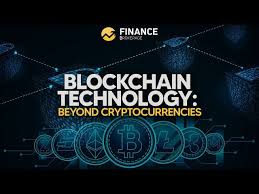
Blockchain technology, initially popularized as the underlying system behind cryptocurrencies like Bitcoin, has grown far beyond digital currencies. While many people associate blockchain exclusively with financial transactions, its applications now span multiple industries, including supply chain management, healthcare, voting systems, and digital identity verification. By offering decentralized, secure, and transparent solutions, blockchain is transforming how businesses and organizations manage data, trust, and transactions in the digital age.
At its core, blockchain is a distributed ledger system. Data is stored in blocks, which are linked chronologically to form a chain. Once information is added, it cannot be easily altered or deleted, ensuring transparency and immutability. This architecture eliminates the need for centralized authorities to verify transactions, reducing the risk of fraud and manipulation. Companies such as IBM and Microsoft have been developing blockchain solutions that go beyond finance, demonstrating the versatility of this technology.
Supply chain management is one of the most promising areas for blockchain adoption. Businesses can use blockchain to track products from their origin to the end consumer, ensuring authenticity and quality. For example, food companies can monitor the journey of perishable items, quickly identifying contamination sources in case of safety issues. Similarly, luxury brands can prevent counterfeiting by recording the provenance of high-value products on a blockchain, giving consumers confidence in their purchases.
Healthcare is another sector poised to benefit from blockchain technology. Patient records, medical research data, and drug supply information can be securely stored on blockchain networks. This ensures that sensitive information is protected while remaining accessible to authorized personnel. Blockchain can also facilitate the sharing of medical data across institutions, improving collaboration, accelerating research, and enhancing patient care. Additionally, blockchain can help track pharmaceuticals to prevent counterfeit drugs from entering the supply chain.
Digital identity verification is becoming increasingly important in a world that relies on online transactions and services. Blockchain-based identity systems allow individuals to maintain control over their personal data, reducing the risk of identity theft. Instead of relying on centralized authorities, users can prove their identity using cryptographic verification. Governments and organizations are exploring blockchain solutions to enhance voter registration, social services access, and secure online transactions.
Financial services remain a natural application for blockchain beyond cryptocurrencies. Smart contracts—self-executing agreements encoded on a blockchain—can automate payments, loans, and insurance processes. These contracts reduce the need for intermediaries, lowering costs and increasing efficiency. Banks and fintech companies are experimenting with blockchain to streamline cross-border payments, reduce fraud, and provide faster settlement times, making financial systems more reliable and transparent.
Blockchain also has potential in the entertainment and intellectual property industries. Artists and content creators can register their work on blockchain networks to prove ownership and ensure fair compensation. This approach can combat piracy and reduce disputes over royalties. Digital collectibles, also known as non-fungible tokens (NFTs), rely on blockchain to verify uniqueness and ownership, creating new revenue opportunities for creators and collectors.
Despite its many advantages, blockchain faces challenges that must be addressed for widespread adoption. One major concern is energy consumption, particularly for systems using proof-of-work consensus mechanisms like those employed by Bitcoin. These processes require significant computing power, leading to high energy usage and environmental impact. Developers are exploring more sustainable alternatives, such as proof-of-stake and hybrid consensus models, to reduce energy demands.
Scalability is another challenge. As blockchain networks grow, processing large volumes of transactions quickly becomes more complex. Solutions such as layer-two protocols, sharding, and optimized consensus algorithms are being developed to address these limitations. Additionally, regulatory uncertainty in many countries can hinder adoption, as businesses must navigate complex legal landscapes when implementing blockchain solutions.
Collaboration between industries, governments, and technology providers is critical to unlocking blockchain’s full potential. Open standards, interoperability, and shared best practices can help ensure that blockchain solutions are effective, secure, and widely accepted. Education and awareness are also essential, as many organizations still lack the expertise to implement and manage blockchain systems effectively.
Looking ahead, blockchain technology is likely to continue evolving beyond its original association with cryptocurrency. Its ability to provide decentralized trust, secure data management, and transparent verification makes it a valuable tool across multiple sectors. As adoption grows, blockchain could become an integral part of global digital infrastructure, transforming how businesses, governments, and individuals interact and transact.
In conclusion, blockchain technology has far-reaching implications beyond cryptocurrency. From supply chain management and healthcare to digital identity and intellectual property, it offers secure, transparent, and efficient solutions to modern challenges. While obstacles such as energy consumption, scalability, and regulation remain, the potential benefits are immense. As innovation continues, blockchain is poised to become a foundational technology shaping the future of business, governance, and everyday life.








Leave a Reply