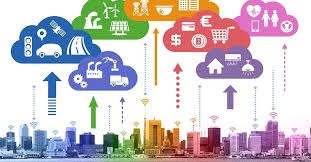
The development of smart cities represents a major technological shift in urban living, integrating digital infrastructure, IoT devices, and data-driven solutions to enhance the efficiency, sustainability, and quality of life in urban environments. Smart cities leverage technology to manage resources, monitor infrastructure, and deliver services more effectively, creating urban spaces that are responsive, connected, and sustainable. As cities grow and face challenges such as congestion, pollution, and energy consumption, smart technologies provide innovative solutions to address these issues.
One of the primary applications of smart city technology is traffic management. Connected sensors, cameras, and intelligent transportation systems collect real-time data on traffic flow, congestion, and accidents. This information allows city authorities to optimize traffic signals, reroute vehicles, and reduce commute times. In cities like Singapore and Barcelona, smart traffic management systems have improved efficiency, reduced carbon emissions, and enhanced public safety. Public transportation systems can also be monitored and adjusted dynamically to meet demand, ensuring smoother transit experiences for residents.
Energy management is another critical aspect of smart cities. Smart grids, connected meters, and renewable energy systems allow cities to monitor electricity usage, reduce wastage, and integrate sustainable energy sources. Buildings equipped with IoT sensors can optimize lighting, heating, and cooling systems, improving energy efficiency while lowering operational costs. The integration of renewable energy, such as solar and wind, with intelligent grid management supports environmental sustainability and reduces dependence on fossil fuels.
Waste management and environmental monitoring are also enhanced through smart city initiatives. Sensors in waste bins detect fill levels and optimize collection routes, reducing fuel consumption and labor costs. Air quality sensors provide data on pollution levels, enabling authorities to implement policies for cleaner urban environments. Water management systems monitor usage, detect leaks, and improve distribution efficiency. These innovations contribute to healthier, cleaner, and more sustainable urban living.
Smart city technologies also improve public safety and emergency response. Surveillance cameras, connected alarm systems, and predictive analytics enable faster detection of incidents and more effective allocation of emergency services. Police, fire, and medical teams can respond more quickly to crises, reducing risks and saving lives. AI-powered predictive systems can identify high-risk areas for accidents or crime, allowing proactive measures to enhance safety.
Citizen engagement and accessibility are central to the success of smart cities. Digital platforms allow residents to report issues, provide feedback, and access city services conveniently. Mobile apps, online portals, and interactive kiosks make it easier for people to navigate urban spaces and participate in governance. This level of engagement fosters community involvement, transparency, and accountability in city administration.
Despite the benefits, implementing smart city solutions presents challenges. High initial costs, technical complexity, and the need for interoperability among diverse systems can hinder adoption. Data privacy and cybersecurity are critical concerns, as interconnected devices and sensors collect large volumes of sensitive information. Ensuring robust security measures, ethical data usage, and adherence to regulations is essential to maintain trust and protect residents.
The future of smart cities will involve greater integration with emerging technologies. Artificial intelligence, machine learning, and edge computing will enable real-time analysis and predictive capabilities. Autonomous vehicles, smart infrastructure, and IoT-enabled services will further enhance urban efficiency, convenience, and sustainability. Cities that successfully leverage these technologies will become models of innovation and livability, providing residents with safer, more connected, and environmentally responsible communities.
In conclusion, smart cities are redefining urban living by combining digital infrastructure, IoT devices, and data-driven solutions to improve efficiency, sustainability, and quality of life. From traffic and energy management to public safety, citizen engagement, and environmental monitoring, technology enables cities to operate more intelligently and responsively. While challenges such as cost, security, and interoperability remain, the potential benefits of smart cities are transformative. As technology continues to advance, smart cities will play a pivotal role in shaping the future of urban environments and creating connected, sustainable, and resilient communities.