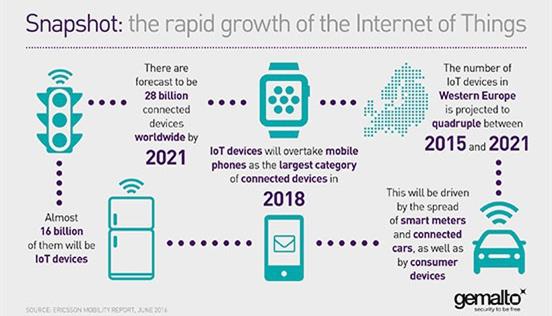
Smart devices and the Internet of Things (IoT) have revolutionized the way people interact with technology, transforming homes, workplaces, and cities. IoT refers to the interconnected network of devices that collect, exchange, and analyze data through the internet. These devices range from smartphones and smartwatches to connected home appliances, industrial machines, and urban infrastructure. By enabling seamless communication between physical objects and digital systems, IoT creates efficiency, convenience, and innovative opportunities across multiple sectors.
Smart homes are among the most visible examples of IoT in everyday life. Devices such as smart thermostats, lighting systems, security cameras, and voice assistants allow users to control their environment remotely. Companies like Nest and Philips have developed products that learn user behavior, optimize energy use, and enhance convenience. Homeowners can receive real-time notifications about security alerts, monitor energy consumption, and automate daily routines, improving safety and comfort.
Wearable smart devices have also become increasingly popular. Smartwatches and fitness trackers monitor heart rates, sleep patterns, physical activity, and other health metrics. This data provides valuable insights into personal well-being and can be shared with healthcare providers for more informed decision-making. Devices like Fitbit and Apple’s Apple Watch help users track fitness goals, detect irregularities, and adopt healthier lifestyles, demonstrating the impact of IoT on personal health management.
Industrial IoT, or IIoT, is transforming manufacturing, logistics, and supply chain operations. Sensors embedded in machinery monitor performance, detect maintenance needs, and optimize processes in real time. Factories utilizing IIoT technologies, including companies like Siemens and General Electric, have improved production efficiency, reduced downtime, and ensured consistent product quality. IoT-enabled predictive maintenance prevents costly breakdowns and enhances operational reliability.
Smart cities leverage IoT to enhance urban living. Connected traffic signals, streetlights, and environmental sensors allow authorities to manage resources efficiently. For instance, real-time traffic monitoring can reduce congestion, while waste management systems optimize collection routes. Air quality sensors help policymakers implement strategies for cleaner, healthier urban environments. Cities such as Singapore and Barcelona have successfully implemented IoT technologies to improve sustainability, safety, and public services.
The agriculture sector is also experiencing IoT-driven transformation. Smart sensors and drones monitor soil conditions, crop health, and irrigation needs, enabling precision farming. Farmers can optimize resource use, increase crop yields, and reduce environmental impact. Companies like John Deere are integrating IoT into modern farming, providing tools that enhance productivity and sustainability while reducing operational costs.
Despite its benefits, IoT presents challenges, particularly regarding security and privacy. Connected devices can be vulnerable to cyberattacks, exposing sensitive data or disrupting operations. Ensuring robust encryption, secure authentication, and compliance with privacy regulations is essential to maintain trust and protect users. Interoperability is another concern, as devices from different manufacturers must communicate seamlessly to deliver optimal functionality.
Energy consumption and sustainability are additional considerations. While IoT devices improve efficiency, their widespread adoption increases electronic waste and electricity use. Manufacturers are developing energy-efficient devices and recycling initiatives to mitigate environmental impact. Proper management and sustainable practices are essential to maximize benefits while minimizing ecological consequences.
Looking forward, the integration of IoT with artificial intelligence, 5G networks, and edge computing will further enhance device intelligence and real-time decision-making. As smart devices become more affordable and widespread, IoT will continue to reshape homes, workplaces, and cities, creating connected ecosystems that improve quality of life and operational efficiency.
In conclusion, smart devices and the Internet of Things are reshaping how people live, work, and interact with technology. From homes and healthcare to industry, agriculture, and urban infrastructure, IoT enables efficiency, convenience, and innovative solutions. While security, privacy, and sustainability challenges remain, the potential of IoT to create a more connected and intelligent world is immense. As technology continues to advance, IoT will play an increasingly central role in daily life and business operations.