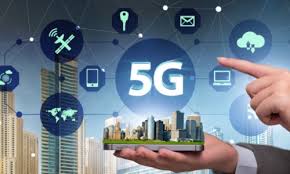
The development of 5G technology represents one of the most significant advancements in global communication. As the fifth generation of wireless network technology, 5G offers faster speeds, lower latency, and greater connectivity compared to previous generations. While 4G revolutionized mobile internet by enabling video streaming and advanced mobile apps, 5G takes connectivity to an entirely new level. Its impact extends beyond smartphones, influencing industries such as healthcare, transportation, education, entertainment, and manufacturing. As countries continue to expand 5G infrastructure, the way people communicate and interact with technology is rapidly evolving.
One of the most noticeable benefits of 5G is its incredible speed. With data transfer rates significantly higher than 4G, users can download large files, stream high-definition videos, and participate in video conferences with minimal delay. Telecommunications companies such as Huawei, Ericsson, and Qualcomm have played major roles in developing 5G infrastructure and devices. Their innovations have helped expand global connectivity, making high-speed internet more accessible in both urban and rural areas.
Low latency is another powerful feature of 5G technology. Latency refers to the time it takes for data to travel from one point to another. With 5G, latency is reduced to just a few milliseconds, allowing near-instant communication between devices. This improvement is crucial for applications such as online gaming, live streaming, and video conferencing, where delays can disrupt the experience. More importantly, low latency enables advanced technologies like remote surgery and autonomous vehicles, which require real-time data transmission to function safely and effectively.
The expansion of 5G networks also supports the rapid growth of the Internet of Things. IoT devices, including smart home systems, wearable health monitors, and industrial sensors, rely on stable and fast connections to operate efficiently. 5G can handle a significantly larger number of connected devices simultaneously, making it ideal for smart cities and large-scale industrial automation. For example, cities like Seoul have implemented advanced 5G networks to support smart transportation systems, digital public services, and high-speed mobile connectivity for residents.
In the business world, 5G is driving innovation and productivity. Companies can use high-speed connectivity to support cloud computing, data analytics, and remote collaboration tools. Manufacturing industries are adopting smart factories equipped with connected machines that communicate in real time. This level of connectivity improves efficiency, reduces downtime, and enhances quality control. The integration of 5G with artificial intelligence and robotics further strengthens automation, leading to smarter and more responsive production systems.
Healthcare is another sector experiencing transformation due to 5G. Telemedicine services are becoming more reliable, enabling doctors to conduct virtual consultations without interruptions. High-speed networks allow medical professionals to access patient records instantly and share large imaging files quickly. In some advanced applications, surgeons can perform remote procedures using robotic systems connected through 5G networks. These innovations expand access to specialized medical care, particularly in remote or underserved areas.
Education has also benefited from enhanced connectivity. Students can participate in live virtual classrooms with high-quality video and audio, even in areas that previously struggled with slow internet speeds. 5G supports immersive technologies such as virtual reality and augmented reality, creating interactive learning experiences. These tools allow students to explore historical sites, conduct scientific experiments, or visualize complex concepts in three dimensions, making education more engaging and effective.
Despite its many advantages, the implementation of 5G faces certain challenges. Building 5G infrastructure requires significant investment in new towers, fiber-optic networks, and compatible devices. Additionally, geopolitical tensions have influenced the global rollout of 5G technology, as countries debate security concerns related to network equipment suppliers. Ensuring cybersecurity and data privacy remains a top priority as faster networks also mean potentially faster cyberattacks. Governments and technology providers must collaborate to establish secure and reliable communication systems.
Environmental concerns have also been raised regarding the energy consumption of expanded network infrastructure. However, 5G technology is designed to be more energy-efficient per unit of data compared to previous generations. Over time, smart energy management systems powered by 5G may contribute to sustainability efforts by optimizing electricity usage and reducing waste.
Looking ahead, 5G is expected to serve as a foundation for future innovations, including the development of 6G networks. As connectivity becomes faster and more reliable, new applications will emerge that further transform global communication. From seamless virtual collaboration to advanced smart city systems, the possibilities are vast.
In conclusion, 5G technology is reshaping global communication by providing faster speeds, lower latency, and greater device connectivity. Its impact extends across industries, enhancing healthcare, education, business operations, and urban development. While challenges related to cost, security, and infrastructure remain, the long-term benefits of 5G are undeniable. As the world becomes increasingly connected, 5G will play a central role in building a more efficient, innovative, and digitally integrated future.