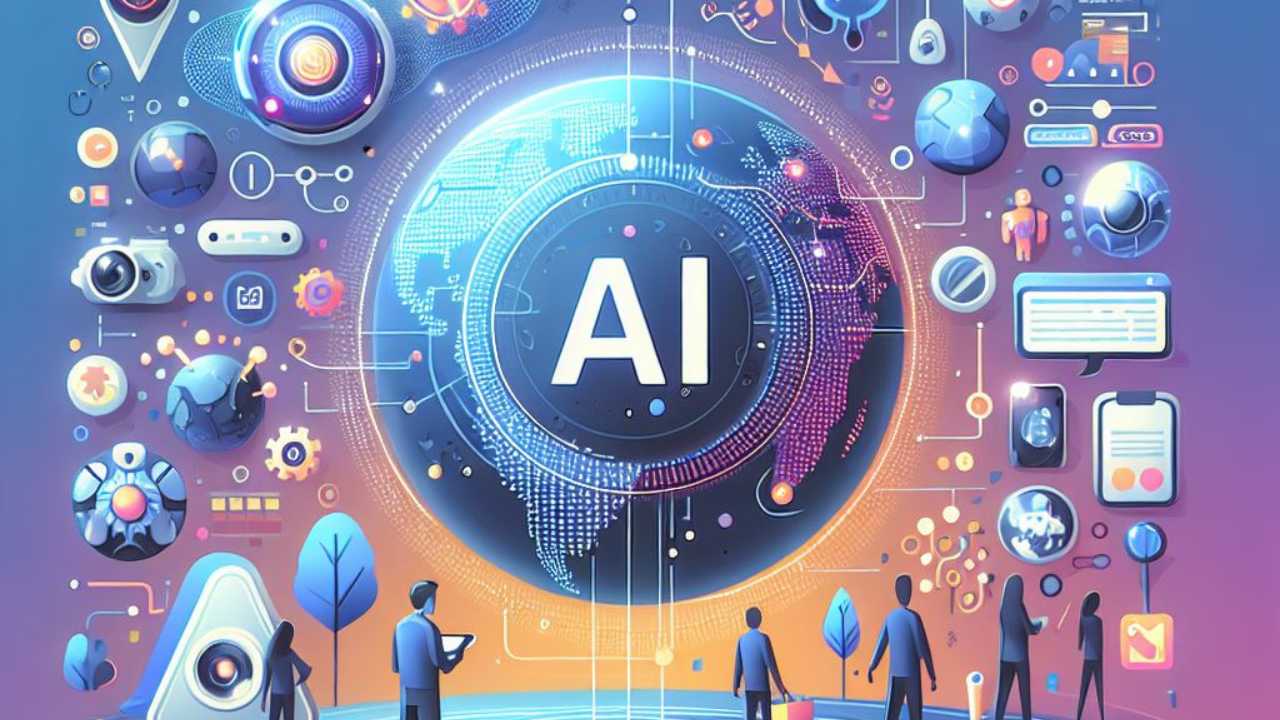
Artificial Intelligence is rapidly transforming the way people live, work, and interact with the world around them. What once seemed like a concept from science fiction movies is now a practical and powerful tool integrated into everyday life. From smartphones and smart homes to healthcare systems and financial services, AI is quietly working behind the scenes to make processes more efficient, personalized, and intelligent. As technology continues to evolve, the influence of artificial intelligence will only grow stronger, reshaping daily experiences in ways that were unimaginable just a decade ago.
One of the most visible examples of AI in daily life is the use of virtual assistants. Technologies developed by companies such as OpenAI, Google, and Microsoft have enabled smart systems that can understand voice commands, answer questions, translate languages, and even generate creative content. Virtual assistants can manage schedules, send reminders, control smart home devices, and provide real-time information about weather, traffic, or news. In the future, these assistants will become even more intuitive, learning from user behavior to provide highly personalized recommendations and support.
Artificial intelligence is also revolutionizing the healthcare industry. AI-powered systems can analyze medical data, detect patterns, and assist doctors in diagnosing diseases more accurately and quickly. Machine learning algorithms are already being used to identify early signs of conditions such as cancer, heart disease, and diabetes. In the future, wearable devices connected to AI systems may continuously monitor a person’s health and alert them to potential problems before symptoms become severe. This proactive approach to healthcare could save millions of lives and reduce the burden on hospitals and medical professionals.
In education, AI is transforming how students learn and how teachers teach. Intelligent learning platforms can adapt to each student’s pace and learning style, offering customized lessons and instant feedback. Instead of following a one-size-fits-all approach, AI systems analyze performance data to identify strengths and weaknesses, helping students focus on areas that need improvement. In the coming years, virtual tutors powered by AI may become common, providing affordable and accessible education to students around the world, especially in remote or underserved areas.
The workplace is another area experiencing significant change due to artificial intelligence. Automation tools are handling repetitive tasks, allowing employees to focus on more creative and strategic work. AI-driven software can analyze large amounts of data in seconds, helping businesses make better decisions. Industries such as manufacturing, logistics, customer service, and marketing are already benefiting from AI solutions that increase efficiency and reduce operational costs. While some jobs may be replaced by automation, new roles related to AI development, data analysis, and system management are emerging, creating fresh opportunities in the job market.
Smart homes represent another exciting development in everyday AI integration. Devices such as smart thermostats, lighting systems, and security cameras can learn user preferences and adjust settings automatically. For example, an AI-powered home system might lower energy consumption when no one is present or enhance security by recognizing unusual activity. In the future, fully connected homes could communicate with smart cities, optimizing traffic flow, energy use, and public services to create safer and more sustainable communities.
Transportation is also being reshaped by artificial intelligence. Self-driving cars, powered by advanced AI algorithms, are being tested and improved every year. These vehicles use sensors, cameras, and machine learning models to understand their environment and make real-time driving decisions. As this technology becomes more reliable, it could reduce accidents caused by human error, improve traffic management, and make transportation more accessible for elderly or disabled individuals. AI systems are also being used in public transportation networks to optimize routes and reduce delays.
Despite its many advantages, the future of artificial intelligence also raises important ethical and social concerns. Issues such as data privacy, security, and algorithmic bias must be addressed to ensure AI systems are fair and trustworthy. Governments, organizations, and technology companies need to establish clear regulations and guidelines to prevent misuse. Transparency in AI decision-making processes will be crucial to building public trust. Additionally, efforts must be made to ensure that the benefits of AI are distributed equally and do not widen the gap between different social or economic groups.
Looking ahead, artificial intelligence will likely become even more integrated into daily routines. It may assist in managing personal finances, improving mental health support through AI chat systems, and enhancing entertainment experiences with highly personalized content. As AI continues to learn and evolve, it will not replace human intelligence but rather complement it, acting as a powerful partner in solving complex problems and improving quality of life.
In conclusion, the future of artificial intelligence in everyday life is both exciting and transformative. From healthcare and education to business and transportation, AI is reshaping industries and personal experiences alike. While challenges remain, responsible development and thoughtful regulation can ensure that artificial intelligence serves humanity in positive and meaningful ways. As innovation continues, AI will become an even more essential part of modern living, helping create a smarter, safer, and more connected world.